This past Sunday, on Threads, I posted:
It’s not going to be Foxx, social media does not equal a ground game.
This wasn’t an abject thought or a desire for Deja Foxx to perform poorly. On the contrary, I agree that our Congress is made up of any number of geriatric individuals that needed to retire a decade ago. Their refusal to mentor their replacements and follow George Washington’s example to pass the torch of leadership to continue to improve this country are directly responsible for where we are now.
However, as we turn towards the midterms and a growing resentment of those same Democratic elders, a large number of younger party members are jumping in to the fray, without understanding how politics is played at its most basic level.
The growing pains between the old guard and the newcomers are nothing new. I’m hoping that instead of being adversarial, we can understand this time around that the relationship between the two is at its best when its symbiotic, both sides learning from each other to become stronger and more competitive against our enemies. We can argue all day long about whose at fault for signs that this is an overly optimistic hope, but just like I would agree that those that refused to build a deep bench of mentees shares a large part of that blame, realistically, those same individuals have honed how to stay in the game as it exists right now.
You see, digital media exists in a bubble that has a subscription cost many may not have the infrastructure to buy into, and even candidates that have that infrastructure built into a robust social system at the state and local levels, like public libraries with largely unfettered internet access, turn to the field for building support, because for all its value, digital media doesn’t compete with a ground game. From precinct house parties to good old fashioned door knocking, getting a digital reach in the tens of thousands to the millions doesn’t matter on the ground and in the district from retail products to grassroots organizing.
Consider the following examples:
- Zorhan Mamdani engaged in a large grassroots organizing campaign on the ground. He was knocking on doors while using that to build digital media footprint, to bring visibility to his campaign, build his name, and support, both inside New York City, and beyond.
- Alexandria Ocasio-Cortez knew that if she wanted to take on the fourth most powerful Democrat in the country (at the time), she needed to put on her shoes and leave her living room. She walked her district so much that she even put holes in those shoes. This was the midterm candidate that understood marketing and digital media more than any other candidate in her class.
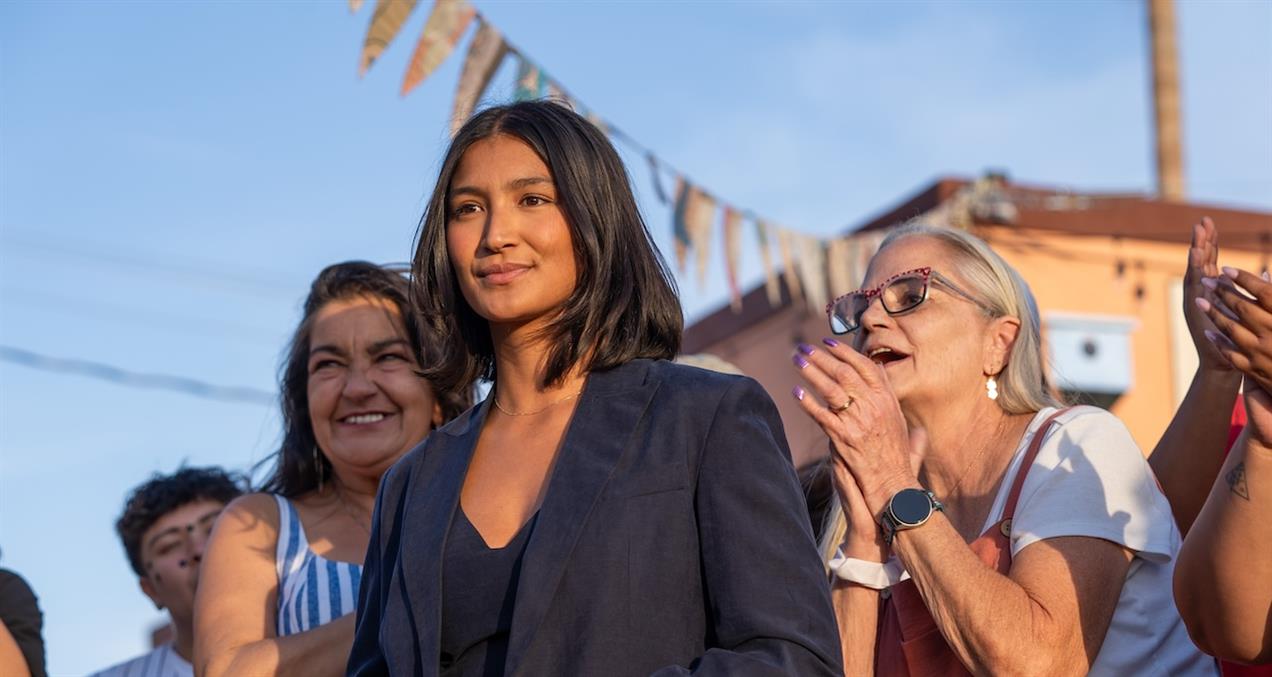
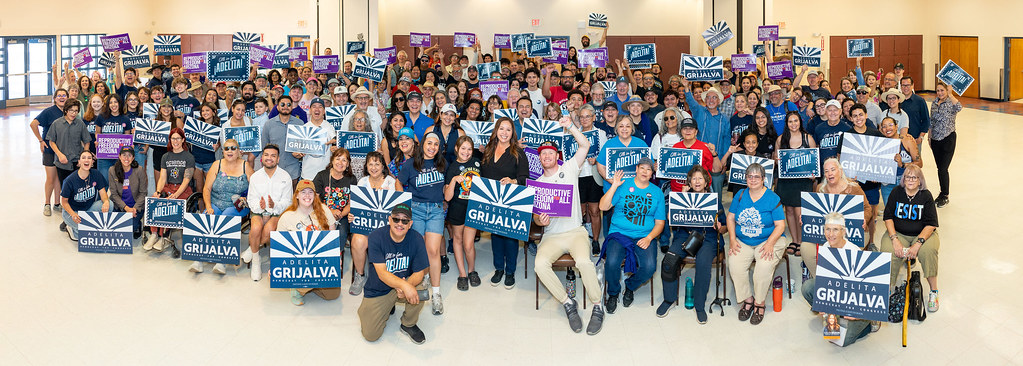
Here, Foxx was fighting not just the name recognition of Adelita Grijalva and the ghost of her father, but Grijalva’s own record as an elected official at the county level. She wasn’t an unknown quantity. She understood the value of not only retail politics, but building a grassroots army, largely thanks to the list of organizations that she has built relationships with. Grijalva’s list of endorsements is not only lengthy, but impressive. Her website’s home page centers getting involved with the campaign first, donating second, whereas Foxx’s website has a donation request that pops up every page you click on and scroll down, including her endorsements page – which centers her and not the community.
Adelita Grijalva’s campaign embodied the community spirit we hope candidates bring to their respective districts, including an understanding that digital media is a competitive space. Her campaign didn’t just have a couple of block walks with random volunteers, they sent an army out into the streets every single day, proving that she didn’t take for granted her front-runner status due to voter sympathy for her father’s memory.
For those Gen Z and younger Millennial candidates hoping to push their member of Congress who is also a Democratic, looking at the Deja Foxx campaign will be crucial to understanding on how to prevent it from happening to them.
Foxx, largely spent her time online – hosting daily “lives” with volunteers in her living room. Those volunteers were not phone-banking or out in the field, but by her own account helping her open mail and, honestly, for the optics of her followers. She eschewed both being called an influencer for the campaign and putting forth a ground game, because of her digital reach. The problem with digital reach being national or global, even, is that the donations you accrue from supporters don’t vote. They help you to build a campaign base and structure, but to be successful, you need a field operation, relationships within the local political infrastructure and to be at their events, so that they know they can count on you.

For two weeks and the amount of earned media coverage she received, Foxx’s showing is rather unremarkable. She even outspent AOC’s first primary race, totaling over $500K to AOC’s just under $200K to come in a distant second.
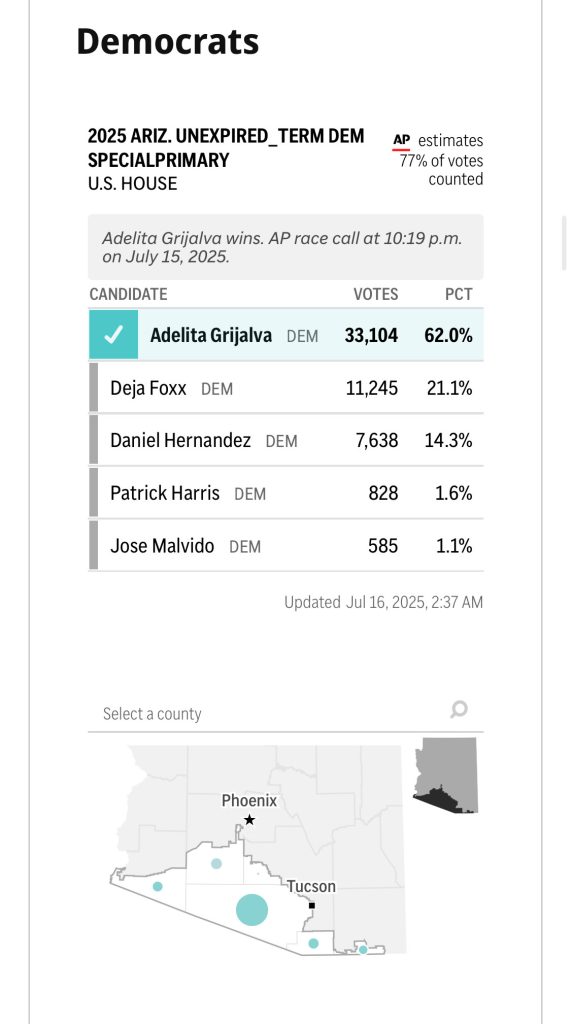
So the curiosity here is where does Foxx go now? Undoubtedly, she’s just getting started and will likely push past this defeat to take Grijalva on in the midterm primary, but I honestly hope she looks at a local political office to build up her political bonafides and build relationships first. We consider a political retreat to a lower level a failure, but it would show a willingness to learn and grow.
More than that, though, there’s also an overwhelming lesson here, not just for candidates or campaigns, but for those of us that are active online. Our posts get traction and reach, yes, they are visible to our growing online communities, yes, that community is national, even global, but politics is local. We must get out into our neighborhoods, walk doors, talk to family and friends about the issues and why we’re supporting who we’re supporting. Not to argue, but to find out why they aren’t by asking open-ended questions, like: “what is the number one issue keeping you up at night?”
You may donate to a person you enjoy following online in a district outside of your own or watch their video to help them build their name, but the real work, the real change happens when you log off and connect without internet servers existing between you.